
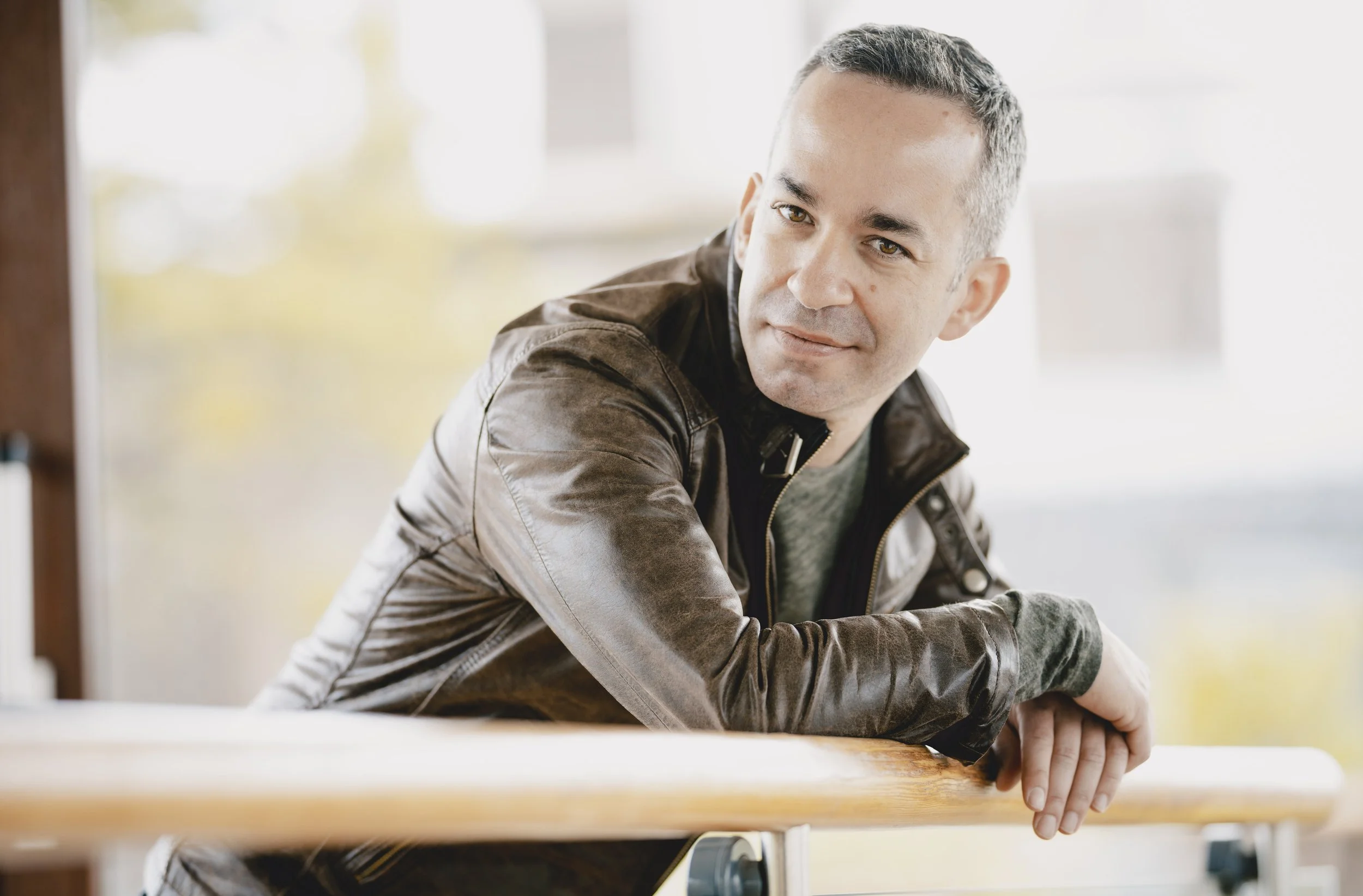
Inon Barnatan

SUN, JAN 24, 2027
4:00PM / Lincoln Performance Hall, PSU
“ballades, evocations, nocturnes, introspection, mazurkas, discoveries”
FRÉDÉRIC CHOPIN
Ballade no. 1 in G Minor, op. 23
JOHN FIELD
3 Nocturnes
SAMUEL BARBER
Nocturne, op. 33 (“Homage to John Field”)
FRÉDÉRIC CHOPIN
Ballade no. 3 in A-flat Major, op. 47
Ballade no. 2 in F Major, op. 38
KAROL SZYMANOWSKI
3 Mazurkas, op. 50
THOMAS ADÈS
3 Mazurkas, op. 27
FRÉDÉRIC CHOPIN
Ballade no. 4 in F Minor, op. 52
-
Box Office
Seating Map (PDF)
We participate in the Arts for All ticketing discount program. Student tickets, $10.
Questions? Call (503) 228-1388
or email info@portlandpiano.org.Lincoln Performance Hall at Portland State University
1620 SW Park Ave (at Market St.)
Portland, OR 97201Driving Directions | Trimet Directions
Parking is available nearby in PSU Parking Structure 2, diagonally across the street from Lincoln Hall. However, there is a parking fee. Please visit the kiosk at the entrance and have your license plate number handy. Park in the areas marked "Permit Parking Only".
For more information about parking and Lincoln Performance Hall, call our office at 503.228.1388. Office hours are Monday through Thursday 9am - 4pm.
-
PRE-CONCERT LECTURE: Arrive early to the concert and listen to an insightful pre-concert lecture given by Bill Crane, Executive Director, and Amelia De Vaal, Director of Operations and Resident Musicologist — 3:15 PM.
PROGRAM NOTES: Get a start on learning about this program by reading the program notes.
GET TO KNOW INON BARNATAN
NATIONALITY:
Israeli - American
Media Applause
“Can do almost anything with tone.”
— The New York Times
What is a piece of music you return to when you need to remember why you became a musician?
I tend to go back to the pieces that say a lot with very little. If I had to name one piece, Mozart’s C major String Quintet. It has that rare ability to make time feel suspended. Every time I hear it, I’m reminded that music can be both utterly simple, and completely transcendent.
What is a work of art that you think more people should know about and why?
I’d say the short stories and essays of David Foster Wallace. His longer books, especially Infinite Jest, tend to loom largest, but the shorter pieces often feel like the most concentrated version of what made him so singular: brilliant, funny, restless, and surprisingly tender.
How do you unwind after a performance?
Doesn’t have to be a great meal, but after a performance, I almost never want silence or sleep right away. There’s usually too much adrenaline still flying around. So my ideal unwinding is a late meal, a beer or a glass of wine, and some good conversation.
What is a place in the world that has changed the way you think about sound?
I don’t think it’s just one place. Being in big European cities helps you understand a lot of the music written there: you feel the energy of the place, and the sound of the language. But some composers feel deeply connected to landscape. Schubert, to me, belongs with the countryside, Mahler with the mountains. Places don’t explain music completely, but they do help you hear it differently.
What is something you’ve learned to do in the last five years that has nothing to do with the piano?
I’ve become a much more serious cook than I used to be. That doesn’t necessarily mean more elaborate food — often it means the opposite. I think I’ve gotten better at making something simple that’s special.